How to Master Lo-Fi with AI: A Complete Guide for Bedroom Producers
DJ Lynux
July 24, 2026
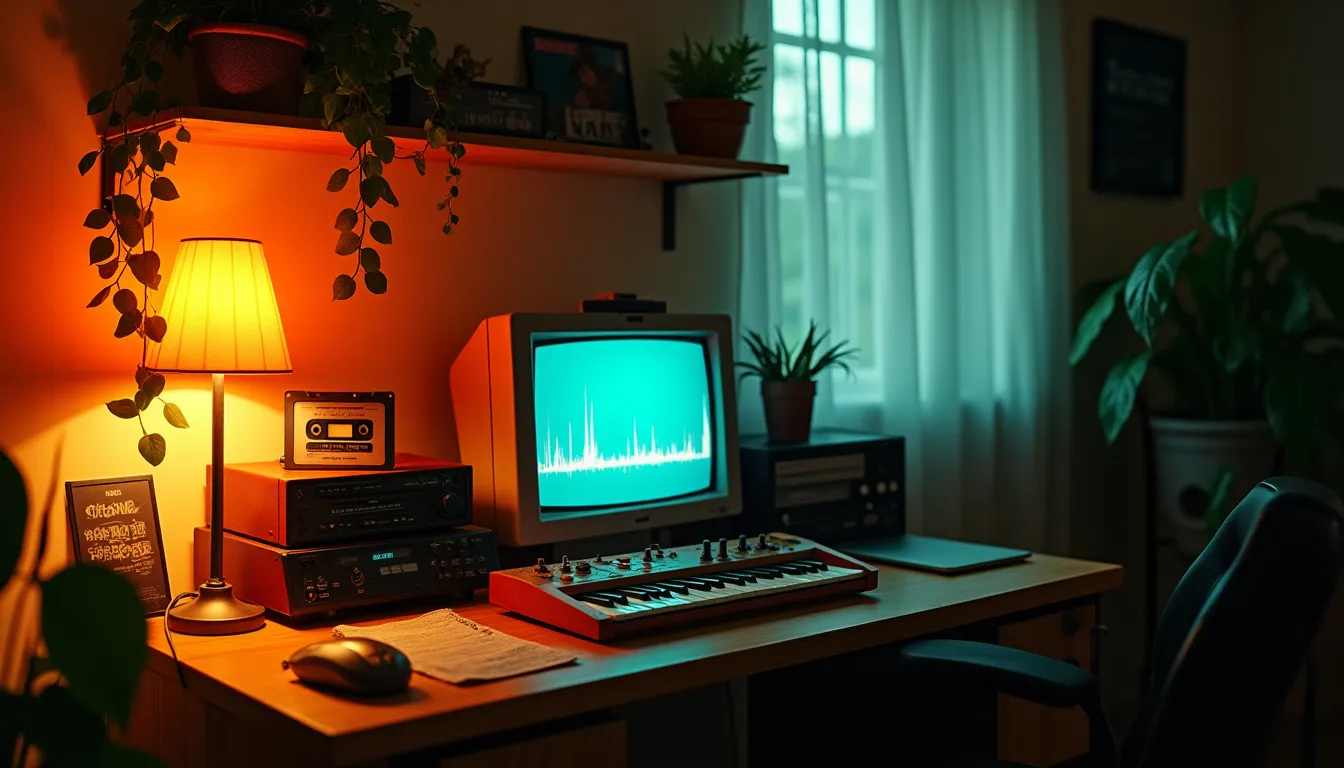
Why Lo-Fi Needs Its Own Mastering Approach
Lo-fi isn't a mistake — it's a deliberate aesthetic. The crackle, the warmth, the slightly imperfect timing — these aren't production errors, they're the whole point. But mastering lo-fi for streaming platforms presents a unique challenge: how do you preserve the vintage character while meeting modern loudness standards?
This guide covers everything you need to know about mastering lo-fi beats, chillhop, and study music with AI — from LUFS targets to preserving that analog warmth.
Lo-Fi LUFS Targets — What Works in 2026
Lo-fi sits in a different loudness zone than most commercial genres. Here's what the data shows:
- Target range: -14 to -16 LUFS integrated
- Short-term maximum: -10 LUFS (for impact moments)
- True peak ceiling: -1 dBTP (standard for all streaming)
- Dynamic range: 8-12 dB (lo-fi is intentionally more dynamic than pop)
At -14 LUFS, your lo-fi track will sound cleanly competitive on Spotify without the aggressive limiting that kills the genre's character. Going hotter than -12 LUFS strips away the dynamic contrast that makes lo-fi feel alive — the quiet parts and loud parts blend together, and you lose the "breathing room" that defines the genre.
The Six Pillars of Lo-Fi Sound
1. Vinyl Crackle & Surface Noise
Authentic lo-fi often includes vinyl crackle, tape hiss, or dust pops. These are features, not bugs — they create the nostalgic, lived-in texture that listeners associate with the genre. When mastering:
- Do NOT aggressively gate or noise-reduce these artifacts
- If your AI master is too clean, it's removing the character you want
- DJ Lynux's lo-fi genre profile is calibrated to preserve vinyl texture while still hitting streaming targets
2. Tape Warmth & Saturation
Lo-fi relies on harmonic saturation — the soft clipping that comes from running audio through emulated tape machines or analog circuits. This adds warmth to the midrange and softens transients. Key targets:
- Gentle saturation around 200 Hz - 2 kHz adds body without mud
- Tape-style compression (slow attack, medium release) glues the mix
- Avoid digital distortion — lo-fi saturation should sound warm, not harsh
3. Frequency Carving for Lo-Fi Aesthetic
Lo-fi typically has a rolled-off high end and a slightly hyped low-mid range. This is the opposite of the "bright and sparkly" pop master:
- Sub-bass (20-60 Hz): Keep it present but controlled — lo-fi kicks don't need to shake cars
- Low-mid (200-500 Hz): This is the heart of lo-fi. Boost gently for warmth and body
- High-mid (2-5 kHz): Slightly scooped — keeps the mix from sounding harsh
- High end (8-16 kHz): Rolled off by 3-6 dB — this is the "lo-fi veil" that gives the genre its signature mellow feel
4. Dynamic Range Preservation
Lo-fi's charm depends on dynamic contrast. A quiet verse that swells into a fuller chorus creates emotional impact. Heavy limiting destroys this:
- Target 8-12 dB of dynamic range (vs. 4-6 dB for pop)
- Use gentle compression ratios (2:1 or lower)
- Let the kick and snare breathe — don't squash them into the mix
- DJ Lynux's lo-fi profile targets wider dynamic range by default
5. Sub-Bass Emphasis
Modern lo-fi (especially lo-fi hip-hop and chillhop) leans heavily on sub-bass. The 808-style basslines need to feel present without overwhelming the mix:
- Sub-bass should sit around -3 to -6 dB below the kick
- Use sine wave bass for clean sub presence
- Check on headphones — sub-bass that sounds right on monitors can be too much on earbuds
6. Stereo Width & Space
Lo-fi often uses intentional stereo narrowing (mono-compatible) for the vintage feel, while keeping certain elements wide:
- Keep bass and kick in mono (standard for all genres)
- Use subtle stereo widening on pads and atmosphere layers
- Too much width collapses the intimate, "bedroom" feel
AI Mastering vs Manual for Lo-Fi
Generic AI mastering tools (LANDR, eMastered) apply a one-size-fits-all approach that tends to over-clean lo-fi — removing the crackle, flattening the dynamics, and brightening the high end. The result sounds like a clean pop track that happens to have lo-fi samples.
DJ Lynux's genre-specific lo-fi profile handles this differently:
- Preserves vinyl texture and tape artifacts
- Targets -14 to -16 LUFS with wider dynamic range
- Applies gentle saturation curve calibrated for lo-fi frequency content
- Rolls off high end naturally instead of forcing brightness
- Produces an explainable feedback report so you can see exactly what was adjusted
Practical Workflow: From Mix to Master
- Mix at -6 to -3 dB headroom — leave room for mastering without pushing into the limiter
- Bounce at 24-bit / 44.1 kHz or higher — WAV or FLAC for best quality
- Upload to DJ Lynux — select the Lo-Fi genre profile
- Review the feedback report — check LUFS, dynamic range, and EQ curve
- Check on multiple systems — headphones, earbuds, car speakers
- Adjust and re-master if needed — if the low end is too much or too little, adjust your mix and re-upload (free credits make this affordable)
Common Lo-Fi Mastering Mistakes
- Over-limiting: The most common mistake. Lo-fi at -8 LUFS sounds flat and lifeless. Keep it around -14 LUFS.
- Removing noise: That crackle and hiss is part of the genre. Don't clean it up — lean into it.
- Too bright: Lo-fi should sound warm, not sparkly. If your master sounds like a pop track, roll off the high end.
- Too much bass: Lo-fi sub-bass should be felt, not overpowering. Check on consumer earbuds.
- Stereo confusion: Keep the core elements mono-compatible. Wide reverbs and pads are fine, but the kick, bass, and vocals should be center.
Final Recommendation
Lo-fi is one of the few genres where less mastering is more. Don't fight the character — preserve it. Target -14 LUFS with -1 dBTP headroom, keep the crackle, and let the warmth through. DJ Lynux's lo-fi genre profile is designed to do exactly this: hit streaming standards while keeping the vintage aesthetic intact.
Upload your lo-fi track to DJ Lynux and hear the difference that genre-aware mastering makes. Three free credits every month — no credit card required.